
Serving Madison & Tipton County
Septic Tank Installation in Alexandria, Anderson, IN & Beyond: Trusted Local Systems Built to Last
Homeowners and property managers across Alexandria, Indiana rely on professional septic tank installation to keep their properties functioning safely for decades. Whether you're building a new home, replacing a failing system, or upgrading an outdated tank, proper septic tank installation protects your property, your groundwater, and your family's health. Payless Sewer & Septic
has become a trusted name for septic tank installation throughout Alexandria, Anderson, IN & Beyond, handling everything from soil evaluation to final inspection with precision and care.
Septic tank installation is not a project to take lightly. Indiana's soil composition, local water tables, and Madison County health department regulations all play a role in determining the right system for your property. A poorly planned or improperly installed septic tank can lead to backups, groundwater contamination, and costly repairs down the road. That's why septic tank installation in Alexandria requires both technical expertise and familiarity with local conditions.
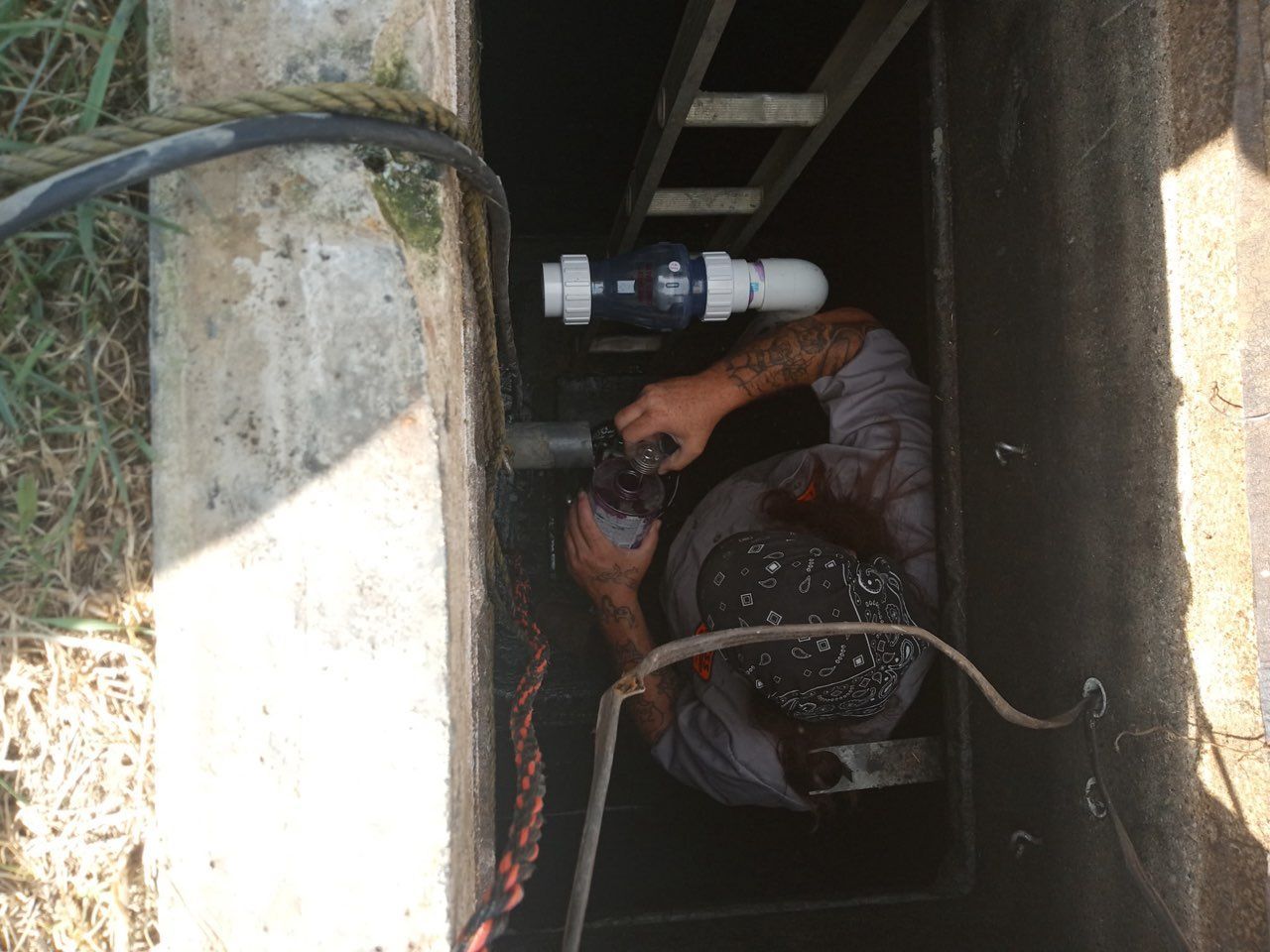
Schedule your septic tank installation consultation with Payless Sewer & Septic
today.
Understanding the Septic Tank Installation Process
Septic tank installation begins long before any digging takes place. The process starts with a thorough site evaluation, including percolation testing to determine how well the soil absorbs water. This step is essential for designing a drain field that will function properly for the life of the system. Once soil conditions are assessed, our team calculates the correct tank size based on the number of bedrooms in the home, anticipated water usage, and the property's overall layout.
After sizing and permitting are complete, excavation begins. Septic tank installation requires precise digging to the correct depth and grade so wastewater flows properly through the system by gravity in most residential setups. The tank itself, whether concrete, fiberglass, or plastic, is set into place, leveled, and connected to the home's plumbing and the drain field. Every connection point is sealed and tested before backfilling begins.
Permitting and Inspection Requirements
Septic tank installation in Madison County requires permits from the local health department. Our team manages this paperwork on behalf of property owners, ensuring the layout, tank size, and drain field design meet current Indiana state code. Inspections typically occur before backfilling and again once the system is fully operational.
Choosing the Right Tank Size and Material
Every septic tank installation project starts with matching the tank to the household's actual needs. A larger home with more bathrooms and higher water usage requires a larger tank capacity to prevent overloading the system.
Concrete Septic Tanks
Concrete tanks remain a popular choice for septic tank installation because of their durability and long service life. They resist buoyancy issues in high water table areas, which can be a concern in parts of Alexandria and surrounding Madison County.
Plastic and Fiberglass Septic Tanks
Plastic and fiberglass tanks offer lighter weight for easier installation and resistance to cracking. These materials are often selected for septic tank installation on properties with limited excavation access or challenging soil conditions.
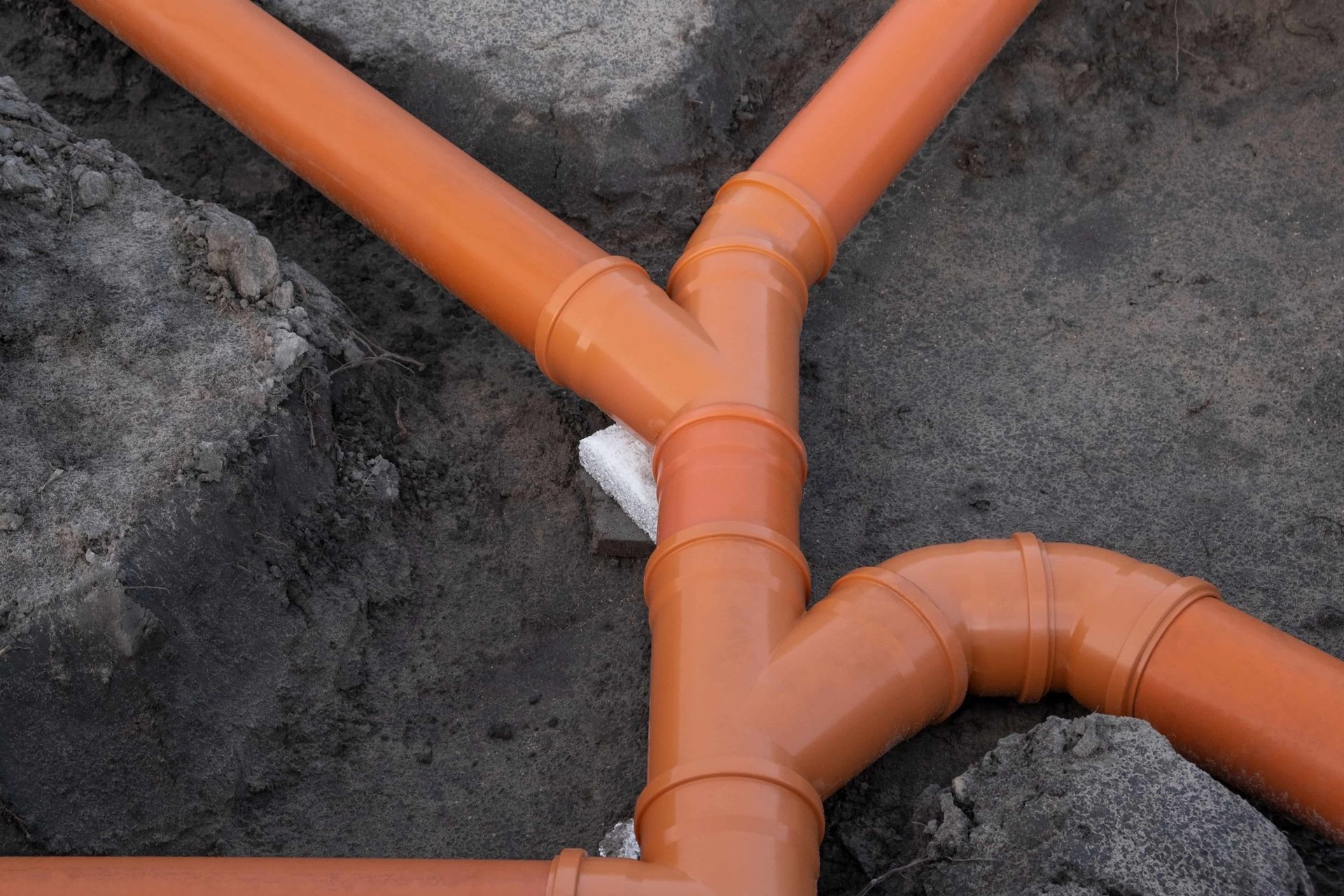
Contact Payless Sewer & Septic
to schedule your site evaluation and permitting review.
Site Preparation and Drain Field Design
A successful septic tank installation depends heavily on how the drain field is designed and constructed. The drain field, also called a leach field, distributes treated wastewater into the soil where natural filtration removes contaminants before the water reaches groundwater. Soil type, slope, and available space all influence drain field layout during septic tank installation.
Properties in Alexandria with heavier clay soils may require modified or engineered systems to accommodate slower water absorption rates. Our team evaluates each site individually rather than applying a one-size-fits-all approach to septic tank installation.
New Construction Versus Replacement Installation
Septic tank installation for new construction differs significantly from replacing an existing failed system. New construction allows for optimal placement based on the home's design and the property's natural drainage patterns. Replacement installation often requires working around existing structures, mature landscaping, or previous system components that must be removed.
New Home Septic Installation
For new builds in Alexandria, Anderson, IN & Beyond, septic tank installation is typically coordinated with the home's construction timeline, allowing excavation and system placement before landscaping and driveways are completed.
Failed System Replacement
When an aging or failed septic system needs replacement, our team assesses whether the existing drain field can be reused or whether a completely new septic tank installation is required to meet current code standards.
Maintenance Considerations After Installation
Once septic tank installation is complete, proper maintenance extends the system's lifespan considerably. Regular pumping schedules, careful water usage habits, and avoiding heavy vehicle traffic over the drain field all help protect your investment. Our team provides guidance specific to your new system's design and capacity.
Call Payless Sewer & Septic to
Get Your Septic Tank Installation Project Started This Season.
Frequently Asked Questions
How long does septic tank installation typically take in Alexandria, Anderson, IN & Beyond?
Most residential septic tank installation projects take between two and five days from excavation to backfilling, depending on soil conditions, tank size, and drain field complexity. Permitting timelines can add additional days before physical work begins.
What size septic tank do I need for my home?
Tank size for septic tank installation is generally based on the number of bedrooms in the home. A three-bedroom home typically requires a 1,000-gallon tank, while larger homes may need 1,250 gallons or more.
How deep does a septic tank need to be buried?
Depth varies based on the property's soil and drainage design, but most septic tank installation projects place the tank between four and six feet below grade to allow proper gravity flow from the home.
Do I need a permit for septic tank installation in Madison County?
Yes, Madison County requires a permit before any septic tank installation begins. Payless Sewer & Septic handles the permitting process, including soil testing documentation and system design submission.
Can I install a septic tank on a property with a high water table?
Properties with high water tables often require raised or mound systems during septic tank installation to prevent groundwater infiltration and ensure proper wastewater treatment.
What's the difference between a concrete and plastic septic tank?
Concrete tanks offer durability and resistance to buoyancy, while plastic tanks are lighter and easier to install in tight-access areas. The right choice for septic tank installation depends on soil conditions and site accessibility.
How much does septic tank installation cost in Alexandria, Anderson, IN & Beyond?
Costs vary based on tank size, soil conditions, drain field design, and permitting fees. Payless Sewer & Septic provides detailed estimates after an on-site evaluation specific to your property.
Can I install a septic tank myself?
Septic tank installation involves permitting, engineering calculations, and code compliance that generally require licensed professionals. DIY installation risks system failure, code violations, and costly rework.
How soon after installation can I use my septic system?
Once septic tank installation is complete and the system passes final inspection, it can typically be used immediately, though some installers recommend limiting heavy water use for the first few days.
What happens if my property doesn't perc well for a standard system?
If percolation testing shows poor soil absorption, alternative septic tank installation designs such as mound systems, aerobic treatment units, or engineered drain fields may be required to meet code.
How often should a newly installed septic tank be pumped?
Most residential septic tanks need pumping every three to five years after installation, though household size and water usage can affect this timeline.
Does septic tank installation affect my property value?
A properly installed, code-compliant septic system is generally viewed favorably by buyers and appraisers, while an outdated or failing system can reduce property value and complicate future sales.